

What to Do Financially After the Death of a Spouse
Losing a spouse is one of the most difficult experiences anyone can go through. In addition to the emotional grief, the surviving spouse is often left with many financial responsibilities that may feel overwhelming—especially if they were not the person handling the household finances.
If your spouse recently passed away, the first priority is to take time to grieve, handle funeral arrangements, and honor any wishes your spouse had. After that, there are several important financial steps to work through.
Avoid Major Financial Decisions Right Away
Many experts recommend waiting 6 to 12 months before making major financial decisions after the death of a spouse.
Decisions to avoid rushing include:
Selling your home
Paying off large debts
Lending money to relatives
Taking large retirement account withdrawals
Making major investment changes
Buying annuities or products that lock up your money
Grief can make decision-making more difficult, so give yourself time before making moves that may be hard to undo.

Request Multiple Death Certificates
After the funeral, request multiple certified death certificates from the funeral home. You’ll likely need these to:
Claim life insurance proceeds
Transfer financial accounts
Notify pension providers
Update bank or brokerage accounts
Handle estate matters
Gather Financial Documents
Next, gather financial records for both you and your spouse, including:
Bank accounts
Investment accounts
Retirement accounts
Life insurance policies
Pension statements
Mortgage documents
Credit cards and debts
Tax records
This is also a good time to create a net worth statement so you can understand what assets and liabilities remain.
Consider Getting Professional Help
If you were not the spouse managing the household finances, consider working with a fee-only Certified Financial Planner™ professional who acts as a fiduciary.
You may also need an estate planning attorney, especially if your spouse had assets in their name only or probate may be required.
Be cautious of anyone pressuring you to make quick decisions.
Notify Social Security
The surviving spouse may be eligible for:
A one-time Social Security death benefit of $255
Survivor benefits based on the deceased spouse’s record
Survivor benefits can begin as early as age 60, or age 50 if disabled. However, if you are still working and have not reached full retirement age, the earnings test may reduce or temporarily withhold benefits.
In some cases, it may make sense to collect a survivor benefit first and delay your own benefit until age 70.
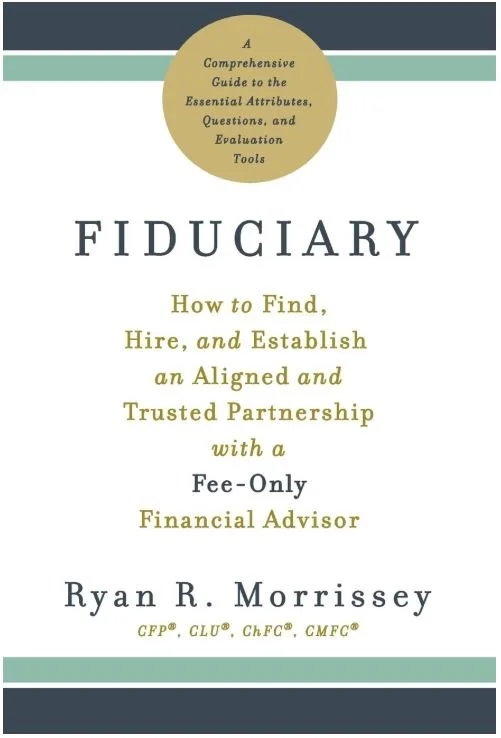
Click here to get your FREE electronic copy of: Fiduciary - How to Find, Hire, and Establish an Aligned Trusted Partnership with a Fee-Only Financial Advisor
Contact Life Insurance Companies
If your spouse had life insurance, contact the insurance company and file a claim. You’ll typically need a death certificate and completed claim forms.
You may be offered several payout options, including:
Lump sum payment
Interest-bearing account
Annuity-style payments
In many cases, taking the lump sum and placing it in a safe account while you build a plan may be the most flexible option.
Review Pension Benefits
If your spouse was receiving a pension, contact the pension provider.
Depending on the election made at retirement, you may receive:
100% continuation
A reduced survivor benefit
No survivor benefit
Understanding this income change is critical when updating your budget.
Pay Essential Bills
Continue paying important bills such as:
Mortgage
Utilities
Property taxes
Insurance premiums
Joint debts
Car payments
This may also be a good time to set up automatic bill pay to avoid missed payments.
Be Careful With Debts in Your Spouse’s Name
If your spouse had credit cards or debts in their name only, do not automatically pay them.
Rules vary by state, and some debts may not be your responsibility. Speak with an estate attorney before paying debts that were not jointly held.
Transfer Joint Accounts
Joint accounts are usually easier to transfer. Contact the financial institution, provide a death certificate, and request that the account be moved into your name.
For accounts held only in your spouse’s name, probate or legal documentation may be required.

Review Retirement Accounts
If you are the beneficiary of your spouse’s IRA or 401(k), you generally have several options.
If you are over age 59½, rolling the account into your own IRA may allow you to delay required minimum distributions.
If you are under age 59½ and may need access to the money, a beneficiary IRA may be better because distributions may avoid the 10% early withdrawal penalty.
This is an area where professional guidance is extremely important.
File a Final Tax Return
A final tax return must be filed for the year your spouse passed away. If you were not the one handling taxes, this may be a good time to work with a CPA.
Create a New Budget
Your income and expenses may look very different after your spouse’s passing.
A new budget can help you understand:
What income remains
Which expenses changed
Whether your current home is affordable
How much you may need from savings or investments
Update Beneficiaries and Estate Documents
Once the immediate items are handled, review and update:
Retirement account beneficiaries
Life insurance beneficiaries
Your will
Trust documents
Financial power of attorney
Healthcare power of attorney
Your spouse may have been listed as your primary beneficiary or decision-maker, so these documents may need to be revised.
Consider Long-Term Planning Decisions
Over time, you may need to evaluate:
Whether to keep or sell your home
Whether downsizing makes sense
Whether you need long-term care insurance
Whether you need life insurance
Whether returning to work is necessary
If you sell your home within two years of your spouse’s death, you may still qualify for the full $500,000 capital gains exclusion for married couples, assuming other requirements are met.

Final Thoughts
The death of a spouse is emotionally devastating, and the financial tasks that follow can feel overwhelming.
Take things one step at a time. Focus first on urgent items, avoid major irreversible decisions too quickly, and consider working with trusted professionals who can help you build a clear plan.
If this applies to you, I’m truly sorry for your loss. If this applies to someone you know, consider sharing this guide with them as a starting point during a difficult time.
As always have a wonderful day,
a better weekend,
and I look forward to writing to you next Friday!