

Financial Advisors: What Do They Do and Why Hire One
When it comes to managing your finances, you deserve to work with someone who has your best interests at heart. Unfortunately, too many people fall victim to financial advisors who prioritize their own commissions over their clients' needs.
As someone who believes wholeheartedly in the fiduciary concept, I want to share why this is so important for your financial success and how you can find a financial advisor who truly puts you first.
What is a Fiduciary Financial Advisor?
Before we dive into why a fiduciary advisor is the best choice for your financial future, let’s first define what "fiduciary" actually means. Simply put, a fiduciary is someone who is legally obligated to act in the best interests of their clients.
This goes beyond just good advice—it means putting your needs ahead of their own, without any conflicts of interest.
In the financial world, a fiduciary financial advisor is someone who will never receive commissions or kickbacks for recommending specific products or services.
Instead, they are compensated through fees paid directly by their clients. This structure eliminates any potential conflict of interest, ensuring that every piece of advice they give is focused solely on your financial goals.
Why Does It Matter?
Unfortunately, not all financial advisors are fiduciaries. In fact, many operate under a model where they can receive commissions for recommending certain products, which creates a conflict of interest.
For example, a non-fiduciary advisor might recommend a financial product or investment that benefits them financially, but isn’t necessarily the best choice for you.
This is why it's crucial to seek out a fiduciary financial advisor who is legally required to put your interests first. Their advice is based purely on what will help you achieve your financial goals, not what will earn them a commission.

What Do Financial Advisors Actually Do?
Financial advisors wear many hats. Depending on their specialties, they can offer a wide range of services to help you plan for the future and protect your wealth. Here are 10 key things a financial advisor might do for you:
Investment Management – They help manage your investments to ensure your portfolio aligns with your goals and risk tolerance.
Retirement Planning – They help you plan for a financially secure retirement by advising on savings, strategies, and investment vehicles.
Estate and Legacy Planning – While they don’t draft legal documents, they can ensure your estate is structured to minimize taxes and align with your wishes.
Tax Planning – They provide strategies to help reduce your tax burden, such as tax-efficient investment strategies and retirement account contributions.
Insurance Planning – They can advise on life, long-term care, or disability insurance needs to help protect your financial well-being.
College Planning – They assist with saving and preparing for your children’s higher education, from choosing savings vehicles to finding scholarships.
Budgeting and Cash Flow Planning – They analyze your spending patterns and offer strategies to improve your savings and manage your cash flow.
Debt Management – If you’re struggling with debt, a financial advisor can help you find strategies to pay it off efficiently and manage your borrowing.
Business Planning – For entrepreneurs, advisors can provide guidance on buying or selling a business and setting up retirement plans for small businesses.
Accountability and Coaching – A good advisor will keep you accountable, helping you track progress toward your financial goals and offering regular check-ins to ensure you stay on track.

Peace of mind through trusted advice - Check out this week’s episode on:
When Should You Consider Hiring a Financial Advisor?
Even if you consider yourself good with money, there are times in life when working with a financial advisor is essential. Major life events, such as getting married, having children, buying or selling a home, retiring, or even inheriting money, often require expert financial guidance. Here are some situations where a financial advisor can be especially helpful:
Having Children – From paying for childcare to ensuring your financial plan accounts for their education, there’s a lot to consider when raising a family.
Marriage – Combining finances with a spouse can be complex, and a financial advisor can help you both stay on the same page.
Buying or Selling a Home – This is a huge financial commitment, and a financial advisor can help you understand how much you can afford, as well as what to do with the proceeds from a sale.
Planning for College – Whether you’re just starting to save for your kids’ education or planning to navigate FAFSA, a financial advisor can be instrumental in ensuring you have a plan in place.
Retirement Planning – It’s never too early to start planning for retirement. A financial advisor can help you create a strategy to ensure you can retire comfortably, no matter how far off that day may seem.
Divorce – Navigating finances during a divorce can be tricky. A financial advisor can help you figure out how to manage assets, alimony, and taxes during this transitional period.
Losing a Spouse – The loss of a spouse can also bring significant financial challenges. A financial advisor can guide you through the process of managing finances, settling estates, and ensuring your financial future is secure.
Inheriting Money – If you’ve recently inherited a significant sum, a financial advisor can help you determine how to best manage and invest that windfall.

If you prefer to learn in video format. Make sure to check out my YouTube channel! Don’t forget to subscribe!
How to Find the Right Fiduciary Financial Advisor
When looking for a financial advisor, it’s important to ask the right questions to ensure they’re a true fiduciary. Here are a few things you should always ask:
Are you a fiduciary? – Make sure your advisor is legally obligated to act in your best interest.
How are you compensated? – Ask if they are fee-only or if they receive commissions for recommending products.
What services do you offer? – Understand the full range of services your advisor provides, and make sure they align with your needs.
What is your experience and credentials? – A good advisor should be transparent about their qualifications and experience.
Choosing a financial advisor can be overwhelming, but taking the time to find someone who prioritizes your interests can pay off in the long run. A fiduciary financial advisor will help you achieve your goals without any hidden agendas or conflicts of interest.
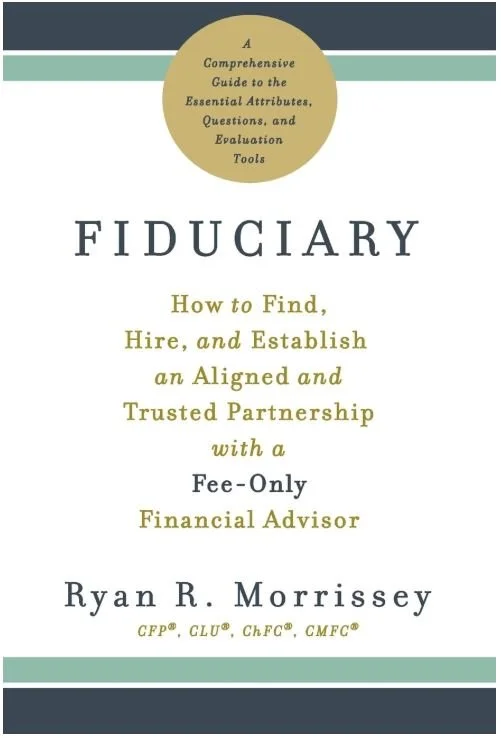
Shipped to your door!
Available on Amazon Marketplace (click the image)
Closing Thoughts
It’s important to work with a financial advisor who acts in your best interest, especially when it comes to major life events and long-term planning.
A fiduciary financial advisor provides peace of mind knowing that every recommendation they make is designed to help you meet your financial goals.
While you may be able to navigate your finances on your own, working with a fiduciary advisor can give you the expert guidance you need to make the right decisions and avoid costly mistakes.
In the end, choosing a fiduciary advisor means you’re partnering with someone who will always put your interests first.
If you have a question or topic that you’d like to have considered for a future episode/blog post, you can request it by going to www.retirewithryan.com and clicking on ask a question.
As always, have a great day, a better week, and I look forward to talking with you on the next blog post, podcast, YouTube video, or wherever we have the pleasure of connecting!
Written by Ryan Morrissey
Founder & CEO of Morrissey Wealth Management
Host of the Retire with Ryan Podcast